

These materials are designed for young people in Canada who wish to understand how online games like JetX actually work https://aviacasino.games/jetx/. We will explore the game’s mechanics, the risks involved, and the reality behind the screen. The goal is to build critical thinking and digital literacy by examining the game’s structure, the math that runs it, and the psychological tricks it uses. This isn’t about teaching you how to play. It’s about giving you the information you need to make smart choices in a world full of digital entertainment.
Decoding JetX: A Analysis of Core Mechanics
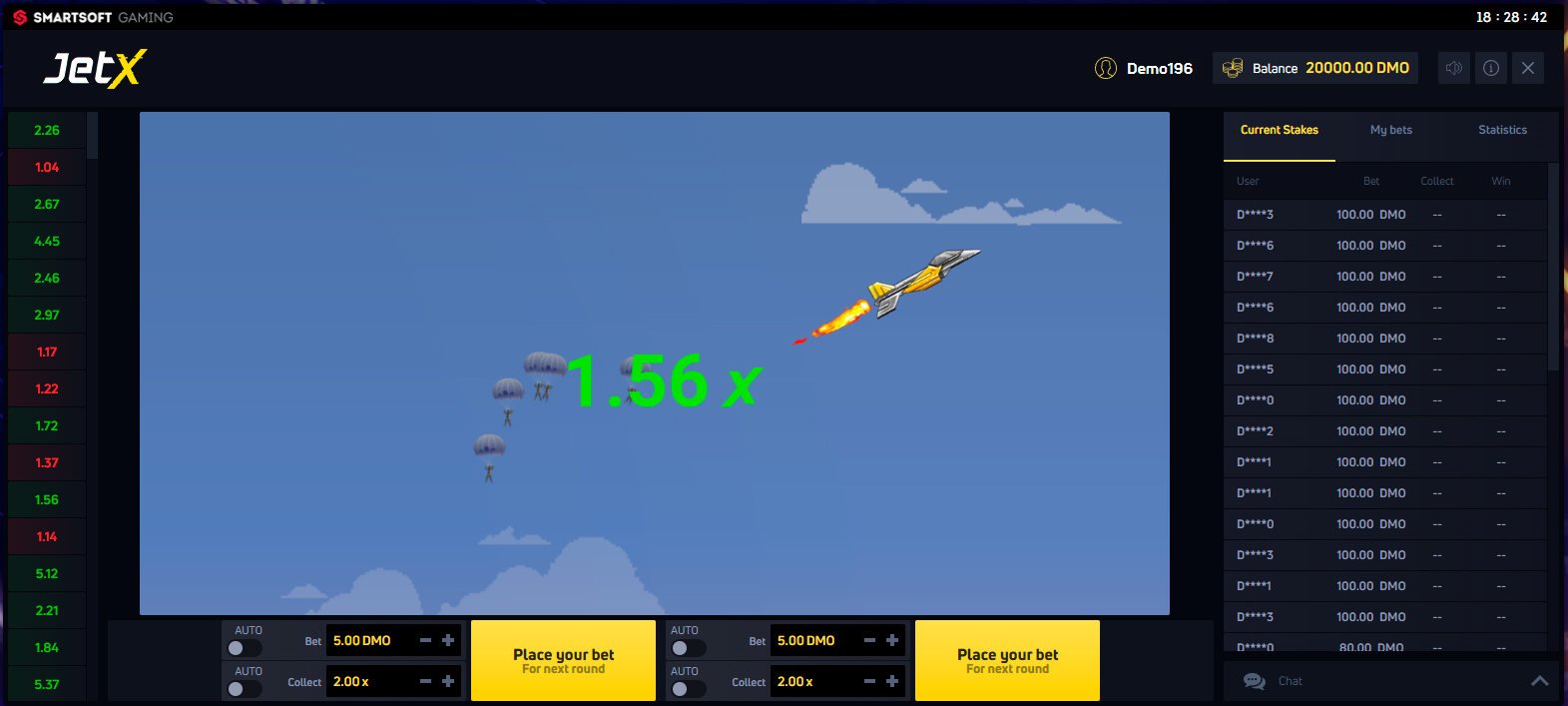
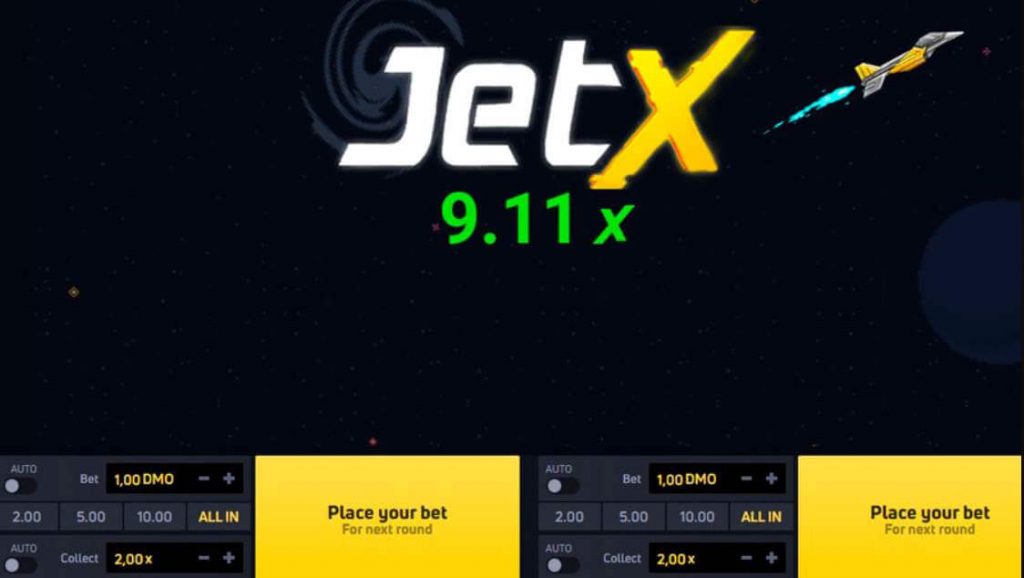
JetX is an online game in which you bet on a multiplier. A rocket ship graphic ascends, and the multiplier rises higher as it goes. Your job is to collect your bet before the rocket explodes. If you cash out in time, you win your bet times the number on screen. If the rocket crashes first, you forfeit the money you put in. The entire game depends on that push-and-pull between wanting more and knowing when to stop. It’s a basic risk-reward setup you’ll see in many places.
Underneath the graphics, a random number generator decides when each rocket will crash. Every round is a distinct, unpredictable event. The climbing multiplier reflects you the rising risk, but it doesn’t give you clues about what comes next. Getting that each flight is a random, isolated incident is your first big lesson in probability. It shows how games built on independent trials work.
No skill can predict the exact crash point. Your choice to cash out is a spur-of-the-moment decision, based on how much risk you can handle in that moment, not on any pattern you’ve figured out. This makes JetX a pure game of chance. Learning to tell the difference between games of skill and games of chance is a core part of digital literacy for anyone navigating online.
The Math of Odds and Average Outcome
Titles like JetX are based on a numerical principle known as expected value. View it as the average result you’d obtain per bet if you played thousands and thousands of times. In titles run for profit, this expected value is always negative for the player. The operator’s built-in mathematical advantage is known as the house edge.
For youth, understanding expected value clarifies the long run. You could win in one round. That takes place. But the math is evident: if you keep playing, you will come out behind over time. This principle holds true for lottery plays, casino games, and crash games like JetX. It’s a strong way to judge whether placing a bet makes any financial sense.
The game also produces an illusion with “near misses.” Cashing out a split second before the crash feels like a brilliant escape. In terms of probability, it was simply one random result among millions of possible outcomes. Understanding that random events are independent counters a common cognitive bias. It stops you from assuming a near miss foretells a future win, which is exactly what the game’s design expects you’ll believe.
Behavioral Principles in Game Design
JetX utilizes powerful psychological triggers to keep you engaged. The rising multiplier builds anticipation. It works on a variable reward schedule, the same system used in slots. This schedule is extremely effective in making people repeat an action, since the next big reward may happen at any time.
Bright graphics, sound effects, and the rocket theme transform betting into something that appears more like a video game than a financial risk. This can soften your natural caution. For young people, identifying how a theme and aesthetics boost engagement is a major part of media literacy.
Features like a live chat or a display indicating other players’ bets may create a false sense of community. Seeing others win big may lead you to believe that winning comes easily and happens all the time. Being aware of these social proof tactics helps you look past the social layer and see the financial risk layer clearly.
Spotting Risk and Safeguarding Well-being
The greatest risk with games like JetX is wasting money. The fast pace and instant results promote impulsive choices. This often causes “chasing losses,” where someone takes riskier and riskier bets trying to win back what they lost. That pattern is a straight line to serious financial trouble.
The psychological effects count too. Focusing intensely on each outcome can heighten stress and anxiety, and can even disrupt your sleep. For youth, whose brains are still developing the parts that manage impulse control and long-term thinking, these effects can be more severe and more damaging to overall health.
Protection comes from recognition. A practical step is to set strict limits on time and money spent, and treat those limits as rules you cannot break. Even better is finding other forms of fun and achievement that give real rewards without the chance of losing money. This is key for balanced development and healthy digital habits.
Regulatory and Age Restrictions: The Canadian Context
In Canada, gambling is controlled by each province and territory. Legal online gambling is typically provided by provincial authorities (for example, the OLG in Ontario) or by private operators with licenses in regulated markets. Many offshore sites that host games like JetX operate in a jurisdictional gray area for Canadian users. They often do not hold Canadian licenses.

The legal gambling age is either 18 or 19, based on the province. This minimum is founded on assessments of maturity and legal responsibility. Any website that lets someone under the legal age participate is breaking Canadian rules and ethical standards. Young people should know these laws exist to protect consumers.
Employing unregulated platforms comes with extra risks. There might be no one ensuring that the random number generator is fair, no clear way to settle disputes, and potential problems with data security. Good educational materials make this link clear: legality and safety are connected. Regulated environments offer safeguards that unregulated spaces do not.
Digital Skills and Responsible Online Conduct
In this context digital literacy means understanding the commercial model. Games like JetX are designed to be captivating so they can make money for the entity that runs them. Your fun is a lesser concern. Being able to thoughtfully ask “What is this product’s real purpose?” is a core skill for the 21st century.
Accountable behavior is about deliberate consumption. That involves checking if a website is authentic, reading its terms and conditions, reviewing its privacy policy, and learning where to get help if something goes wrong. It also means balancing online and offline life, and identifying when casual play starts to feel compulsive.
Young people should feel they can communicate openly about their online interactions, including games that feature money or risk. Creating an atmosphere where questions are encouraged, without judgment, promotes better decisions. Peer education is also influential, as young people often absorb information effectively from each other’s views and insights.
Options to Betting-Style Games
A healthy digital life features a variety of activities. If you like competition and measuring your skills, many esports and strategy games offer deep challenges without any financial stake. Games like chess, detailed simulators, or competitive games challenge your planning, teamwork, and skill to adapt. They provide a deep sense of satisfaction.
If you like the thrill of a random reward, numerous regular video games feature loot boxes or random item drops within a fixed-cost model. These warrant a critical look too, but they restrict your financial risk at the price of the game or item. It’s essential to understand the difference between a one-time purchase and a betting system that lets you lose money again and again.
You can also step away from gaming for that excitement. Learning to code can help you comprehend the algorithms behind these games. Sports and outdoor activities provide real-world adrenaline. Creative hobbies like making music or art foster tangible skills and give you a sense of accomplishment that arises from creating something, not from chance.
Support for Assistance and Continued Education
A number of Canadian organizations provide helpful, non-judgmental resources. The Canadian Centre on Substance Use and Addiction provides research on behavioral addictions, including gambling. International groups like GamCare make available resources valuable for understanding problem gambling signs and strategies for change.
Provincial organizations, such as the Responsible Gambling Council in Ontario, run educational programs designed for youth. School counselors and community health centers are also important local contacts for any young person seeking for information or help for themselves or a friend. These resources focus on prevention and awareness.
To learn about probability and statistics in a fun way, educational platforms like Khan Academy give free courses. Understanding the math removes the mystery out of the games. For critical media literacy, you can refer to groups like MediaSmarts, a Canadian digital literacy charity aimed on helping youth navigate the online world wisely.
Encouraging Critical Discussion at Home and in School
Open dialogue is the most effective educational tool available. Guardians and instructors can initiate by questioning about the digital games that are in demand, how they work, and what gives them appeal. This non-confrontational approach builds rapport and makes it simpler to discuss the dangers and truths inside games similar to JetX.
In schools, these subjects are suited to several disciplines. Arithmetic class can address probability. Social science can examine regulation and its function in society. Health class can link with mental wellness and decision-making. Deconstructing game design in a media studies course offers students the power to break down the influential tactics used by digital products.
The aim isn’t to frighten anyone. It’s to build informed skepticism and self-awareness. When young people possess the tools to evaluate probability, psychology, and economic models, they are more capable to manage all kinds of digital entertainment with responsibility. This understanding supports good decision-making for life in a intricate digital world.